Fast Facts
In the Past
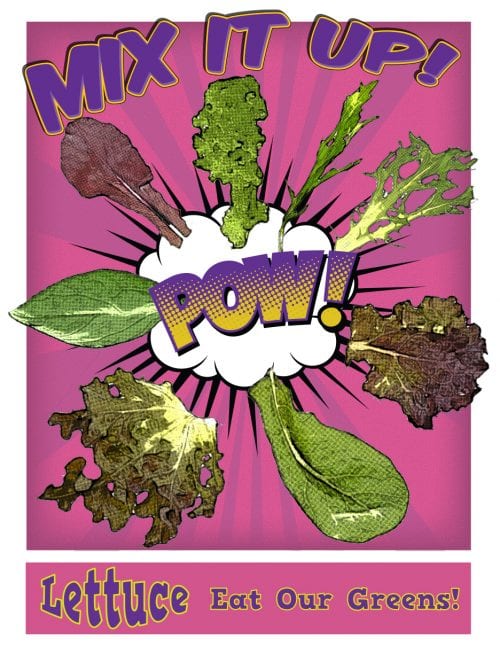
Greens are perhaps the original vegetable - gathered from plants by our prehistoric ancestors as they moved through the landscape. Today we have cultivated many kinds of tender juicy lettuces, as well as hardier greens for cooking like spinach, kale, and collards. Any way you like them, greens have been around since humans have been eating.
In the Soil
Greens come from many different vegetable species and families. Lettuce is an annual plant that comes in many shapes (imagine the sprawling head of romaine, the tightly bunched heads of iceburg, or the tiny leaflets of baby lettuce greens). Spinach grows in a round floret pattern low to the ground, and Kale reaches for the sky with long stems and broad leaves. Because there are so many different kinds of greens, there are varieties that can grow in many different conditions and seasons!
In the Kitchen
Lettuce greens are often washed, torn, and used for salads or garnishing sandwiches and other dishes. Greens such as Kale, Spinach, and Collards can be added to salad mixes when small, but are great additions to cooked dishes when more mature. These greens can be sautéed, added to soups or stews, or mixed with oil and vinegar for a hearty raw salad.
In the Body
Most kinds of lettuce are high in water content, low in calories, and provide a good source of folic acid. Minerals and vitamins vary depending on the type of lettuce. Cooking greens are notoriously high in vitamins A and C and a host of other goodies like potassium, vitamin B6 and iron.
In Connecticut
In greenhouses, greens can be grown all year long in Connecticut. In general they are reliably available here June through November.
Recipes
These recipes were contributed by Connecticut Food Service Directors. They have been tested in schools and are a great way to feature greens in a new way. (Recipe and Meal Contribution Review completed by UConn Extension's Farm to School program. SFAs must check the crediting information for accuracy prior to including the item in reimbursable meals.)
If you have a recipe using this product that was successful in schools and would like to share please send it to us!
- Baby Kale and Tomato Salad
- Steamed Fresh Collard Greens
- Steamed Spinach
- Strawberry Spinach Salad
- Superfoods Salad
- Chef Salad
- Caprese Panini
- Southwestern Chicken Salad Shaker
- Harvest Delight
- Harvest Entree Salad With Turkey
- Fresh Rainbow Swiss Chard
More recipes for Food Service use, from other farm to school organizations: